Why Teen Entrepreneurship Skills Matter Today
The world is changing fast. Technology, artificial intelligence, and automation are reshaping how people work and what skills matter most. For parents of middle and high school students, this shift can feel overwhelming. How can you help your child prepare for a future where traditional jobs may look very different? The answer lies in encouraging creativity, problem-solving, and independent thinking alongside the solid foundation that school provides.
How Technology Is Changing Career Paths — and Why Teen Entrepreneurship Skills Matter
Technology is no longer just a tool; it is transforming entire industries. Jobs that once required routine tasks are increasingly automated. For example, manufacturing roles now often involve robots, and many administrative tasks are handled by software. This means that the future job market will reward people who can do more than follow instructions—they will need to create, adapt, and solve new problems.
Artificial intelligence (AI) is another game changer. AI can analyze data, recognize patterns, and even write basic reports. But AI cannot replace human creativity or the ability to think critically about complex problems. Careers in design, innovation, and strategic thinking are growing because they require skills machines do not have.
Parents can help by encouraging their children to explore technology not just as users but as creators. Learning to code, build apps, or design digital art are ways to engage with technology actively. These experiences build confidence and show kids how they can shape the tools of the future.
Why Adaptability, Creativity, and Initiative Matter More Than Memorization
Traditional education often focuses on memorizing facts and following set procedures. While this builds important knowledge, the future will demand more flexibility. The ability to adapt to new situations, think creatively, and take initiative will be key to success.
For example, a student who memorizes formulas but never learns how to apply them in real-world situations may struggle when faced with unexpected challenges. On the other hand, a student who experiments with projects, asks questions, and tries different approaches develops skills that go beyond the classroom.
Creativity helps students find unique solutions. Initiative encourages them to start projects or solve problems without waiting for instructions. Adaptability allows them to adjust when things change, such as when new technology emerges or job roles evolve.
Parents can support these qualities by praising effort and curiosity rather than just correct answers. Encourage your child to ask “what if” questions and explore different ways to solve problems. This mindset prepares them to handle the unknown with confidence.
Starting Early With Real Problem-Solving Gives Students an Advantage
Exposure to real-world problem-solving during middle and high school years gives students a head start. When kids work on challenges that matter to them, they learn how to break down complex issues, research solutions, and test their ideas.
For example, a group of students might notice that their school cafeteria produces too much food waste. They could research causes, brainstorm ways to reduce waste, and present their findings to school leaders. This kind of project teaches teamwork, communication, and critical thinking.
Another example is participating in science fairs or community service projects that require planning and problem-solving. These experiences show students how to apply what they learn in class to everyday life.
Parents can look for opportunities in their community or online where their children can engage in hands-on projects. Support from home, such as discussing ideas or helping gather materials, makes a big difference.
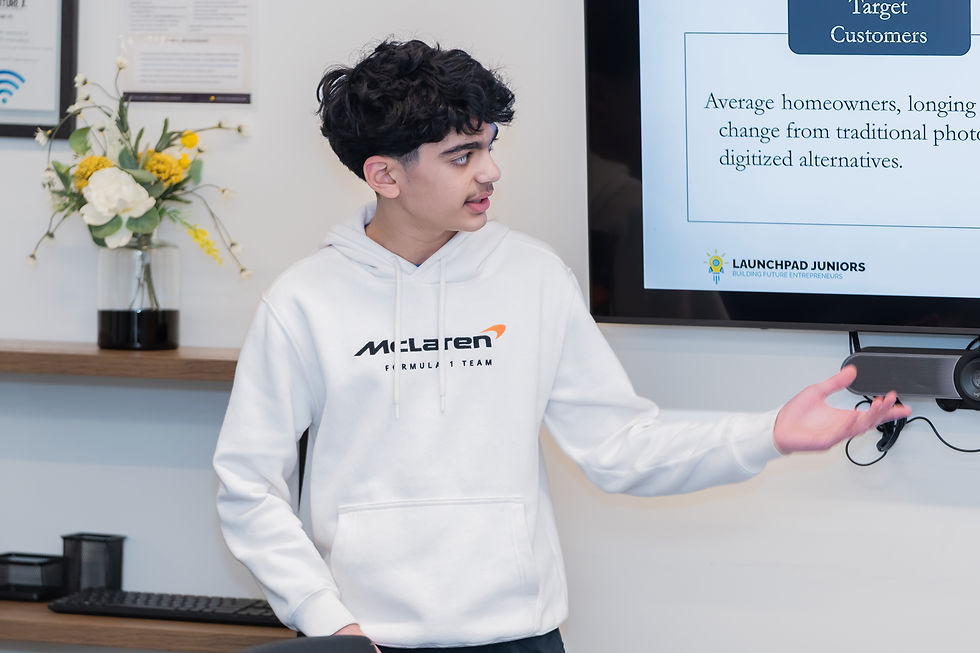
Programs like Launchpad Juniors are designed to give students exactly this kind of early, real-world exposure — a space where middle and high school students identify real problems, build solutions, and practice presenting their ideas with confidence. These environments complement school learning by helping students apply knowledge in practical, low-pressure ways.
Building Things Helps Teens Develop Confidence and Clarity
Creating something tangible, whether it is a small invention, a piece of art, or a simple business, helps teens gain confidence. When they see their ideas take shape, they understand their own abilities better and feel motivated to keep learning.
For instance, a teen who builds a birdhouse learns about measurement, design, and patience. A student who starts a small online store selling handmade crafts discovers how to manage money, communicate with customers, and solve unexpected problems.
These projects also help teens clarify their interests and strengths. They might realize they enjoy working with their hands, leading teams, or solving technical challenges. This self-awareness is valuable when choosing future studies or careers.
Parents can encourage building projects by providing materials, space, and time. Celebrating small successes and showing interest in the process boosts motivation.
Practical Tips for Parents to Support Their Children’s Growth
Encourage curiosity: Ask open-ended questions and explore answers together. Show that it’s okay not to have all the answers immediately.
Provide resources: Books, kits, online tutorials, and local workshops can spark interest in creating and problem-solving.
Celebrate effort: Praise persistence and creativity, not just grades or outcomes.
Model problem-solving: Share your own experiences with challenges and how you approached them.
Connect with mentors: Help your child find role models or clubs where they can learn from others.
Balance screen time: Encourage activities that involve hands-on creation, not just passive consumption.
Support entrepreneurship education: Programs that teach kids how to start small ventures can build skills like planning, communication, and resilience.
Looking Ahead With Confidence
The future job market will reward those who can think independently, adapt quickly, and create solutions. Traditional education provides a strong foundation of knowledge, but real-world experiences help students apply that knowledge in meaningful ways.
Helping Teens Build Confidence Through Real Experience
If you’re exploring ways to help your child build confidence, communication skills, and real-world problem-solving ability, programs like Launchpad Juniors offer a structured, supportive environment to do exactly that.
Parents often have questions about fit, age range, or learning style — and that’s completely normal. If you’d like to learn more or simply talk through whether this kind of experience is right for your child, you’re welcome to reach out.


Comments